
Why Traffic Pattern Analysis Is Critical for Highway Billboards
The Unique Challenges of Highway Advertising
Environments along highways fundamentally alter the view, processing, and memorability of advertising. Some of the challenges involved:
-
- Higher vehicle speeds with reduced exposure time and limit message complexity
-
- Longer sight distances that call new forms of creative scale, contrast, and placement strategies
-
- Commuter-dominated traffic, which can be very predictable but concentrated into short peak windows
-
- Regulations concerning billboard density, direction, and proximity to different features of the road
-
- Limited engagement opportunities, as drivers have less time and mental capacity than on slower urban routes
Advertisers would also be unable to accurately reach potential customers without precise traffic intelligence, as they might end up spending money on ads placed in front of individuals.
What Makes Highway Traffic Patterns Different
-
- Sustained high-speed travel (typically 55–80 mph) versus stop-and-go urban movement
-
- Longer average trip distances and committed route patterns
-
- A greater percentage of repeat weekday commuters
-
- Presence of a strong distinction between weekday commutes and weekend recreational traffic
-
- Greater sensitivity to weather, construction, seasonal events, and holidays
-
- Major accidents or closures that can divert the traffic flow instantly
Such awareness is vital in judging not just the number of vehicles passing in front of a billboard, but the value of impressions itself.
Key Metrics for Highway Billboard Traffic Analysis
Speed-Adjusted Impression Quality
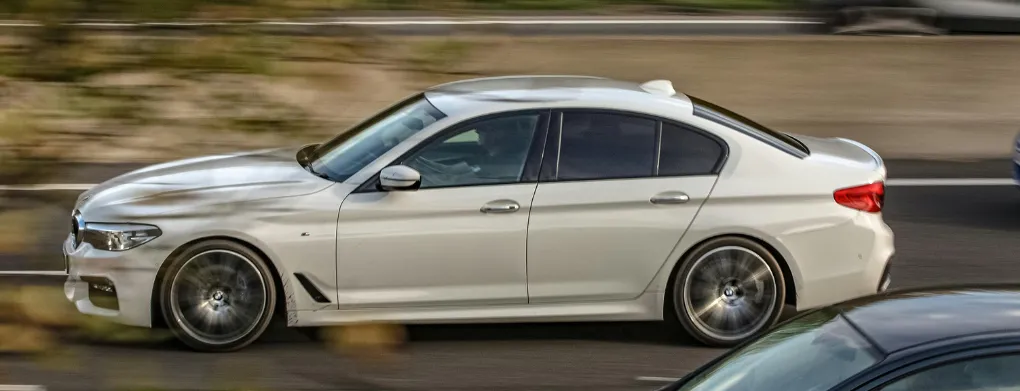
Highway speeds demand that impression measurement be approached in a fundamentally different manner:
-
- Faster speed of vehicles reduce the time of exposure, thus leading to lower recall levels for complex messages
- Message effectiveness drastically drops if exposure falls below 5-8 seconds
- The “glance zone” constraints the amount of information that can be processed quickly
- Optimal highway creative typically requires six words or fewer, bold visuals, and high contrast
Speed-adjusted impressions concentrate on the number of individuals who were able to see the message, as opposed to the ones who merely drove past the sign.
Commuter vs. Recreational Traffic Patterns
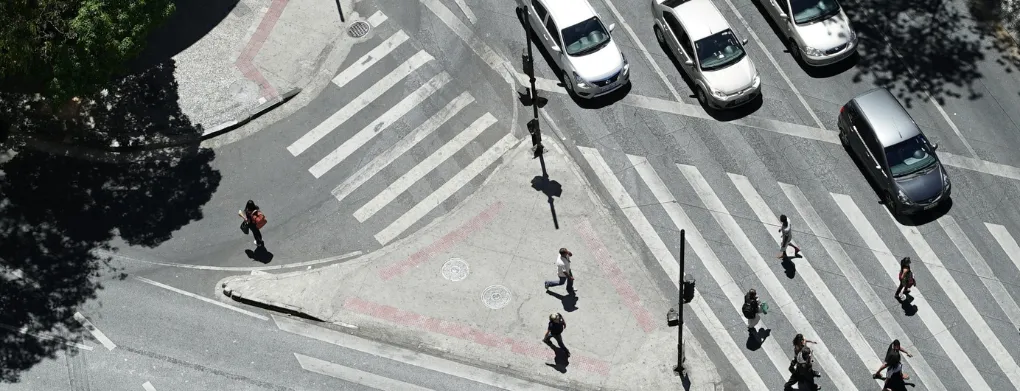
Not all highway traffic is created equal:
-
- Weekday commuters follow routine routes during morning and evening peaks
- Weekend traffic skews toward leisure, retail, and event-driven travel
- Seasonal tourism can dramatically alter audience composition on major corridors
- Construction zones introduce temporary slowdowns or reroutes that change exposure quality
These patterns can be differentiated to enable the advertiser to match the placement of the billboards appropriately.

Vehicle Mix and Demographic Indicators
Vehicle composition can provide strong proxy information on the demographics of your audience:
-
- Passenger vehicles lead consumer advertising opportunities
- Commercial trucks and fleet vehicles highlight the B2B targeting potential
- Luxurious vehicle density can be considered as higher-income commuter corridors
- Regional variation in preferred vehicle types may relate to regional economic and demographic profiles
How Calton Datx Powers Highway Billboard Success
AI-Driven Highway Traffic Intelligence
The platform of Calton Datx is well suited to the demands of highway traffic measurement. The AI systems are designed to facilitate precise vehicle behavior capture at high speeds, over various lanes, and in harsh conditions to provide reliable information where conventional measurement methods are unable to cope.
From the detection of movements on the highways to the classification of these movements in various lighting and weather conditions, Calton Datx converts raw movement data into valuable advertisement information.
Core Highway Analytics Capabilities of Calton Datx

High-Speed Vehicle Detection and Classification
Accurate vehicle counting for highway speeds greater than 75+ mph
Accurate classification of cars, motorcycles, trucks, and buses
Multi-lane tracking with directionality on a divided highway
Achieved 95%+ accuracy, including during bad weather and low-light conditions

Speed and Exposure Time Analysis
Real-time vehicle speed measurement to calculate true exposure duration Determine optimal viewing windows based on speed zones and location placement Trend analysis of traffic velocity over time of day and conditions Detection of speed variance to highlight congestion and slowdown opportunities

Highway Traffic Pattern Intelligence
Detailed mapping of commuter flows (outbound and inbound)
No distinctive weekday or weekend behaviors
Seasonal trend detection for holidays, tourism, and construction cycles
Event-driven traffic surge identification and forecasting
Predictive analytics in upcoming traffic pattern changes

Real-Time Performance Dashboards
Live traffic monitoring for every highway billboard location
Comparative side-by-side listing for several placements
Data to support optimal position of the billboard in specific lanes
Historical data exports for ROI reporting and stakeholder justification

Privacy-First Technology
No recognition of license plates or any type of personal data
Fully aggregated, anonymized traffic insights
Encrypted data transfer and storage in a secured cloud
Real-World Applications of Calton Datx Traffic Analysis
- Use of outdated DOT estimates of traffic counts
- No insight into actual exposure quality
- Unable to segregate traffic
- Static placement decisions based on data
- Real-time highway traffic intelligence
- Clear visibility into commuter behavior
- Data-backed placement and creative optimization
- Measurable performance at highway speeds
Key Takeaways
In order to portray the advertising landscape in the United States, the advertising method, specifically the billboard advertisements on the highways of the United States, in the year 2026, should not only encompass a measure of the number of vehicles, but also understand the dynamics involved.
Calton Datx provides advanced vehicle traffic analytics to overcome the challenges that come with high-speed advertising, from vehicle speed-adjusted impression measurement to commuter intelligence and prediction.
For example, in highway advertising, success is defined by how many people are aware of your billboard, not how many people drive by it.
Ready to Maximize Your Highway Billboard ROI?
Discover how Calton Datx’s AI-powered highway traffic analytics can transform your billboard investments.
Schedule a demo today and see real-time highway traffic intelligence in action.
