
Why Measuring Store Traffic Is No Longer Optional
Walk into any retail store, and you will notice something in an instant: customers move with a purpose, curiosity, or at times confusion. Some beeline for a product while others browse, pause, backtrack, or leave without buying anything at all. To the naked eye, this movement is random. For a data-driven retailer, it tells a powerful story.
In today’s competitive retail environment, instinct alone is no longer enough. The ever-growing operating costs, tightening margins, and an exceptionally well-informed consumer base call for much more resourceful decision-making. This is where store traffic measurement comes in. Knowing how many people enter your store is only the beginning. It is by understanding the flow of customers, where they hesitate, and when they leave that retailers get a clear advantage.
By measuring footfall, retailers get clarity. From “Why were sales down this week?” They can confidently tell whether traffic was down, customers came in but didn’t convert, or customers are avoiding specific sections of the store. Insight like this removes guesswork and replaces it with actionable intelligence.
More importantly, a data-driven understanding of your audience leads directly to better customer experiences. When you design your store around real behavior—not assumptions—you reduce friction, improve engagement, and create environments where customers feel comfortable buying. Measuring store traffic is no longer about counting people. It’s about understanding them—and turning that understanding into long-term sales growth.
What is ‘Foot Traffic’ Data?
Foot traffic measurement captures customer movements in a real retail setting. This type of measurement records customer behavior such as entries and exits, walking paths, residence time, and visitations through monitoring customers in motion in your environment or shopping space.
The technology used in foot traffic analytics is all about behavior in motion. Using sophisticated technology, customer entry and exits, areas of highest dwell time, and areas of notice and unnoticed areas are detected, and all this provides an insight into the entire customer journey, which begins and ends at the cash box and sometimes goes out in between.
What sets us apart at Calton Datx is taking raw foot traffic data and turning it into valuable business information. Our role in the industry far exceeds the ability to count foot traffic visitors. Using data from the way customers move, we decipher the path of visitors for the benefit of the retailer, allowing them to understand visitor engagement, visitor intent, and the potential for conversion.
Benefits of Measuring Store Traffic

You Will Have No Problem Identifying What Affects Your Store’s Foot Traffic
In the absence of foot traffic, retailers tend to make assumptions for the reasons behind performance variations. With foot traffic, trends become evident. Exactly when customer traffic increases and decreases is quantified through traffic measurement, and what might have brought the change, whether it is an event, change in business hours, weather, and other factors, becomes readily known, and in due course, retailers learn to make intelligent promotions and not make costly decisions through assumption and guesswork.

You Discover Buying Patterns
Foot traffic insights provide information on customer behaviors preceding a sale or a decision not to buy. Comparison between visitor statistics and sales helps retailers build insights on conversion ratios and peak sale hours and revisit behaviors. This may indicate poor-product pricing or inefficient employee assistance in case of high visitor numbers and poor sales. Similarly, if a website garners low visitors yet has high conversion ratios, this may indicate effective targeting on those sites.

You Can Maximize How Products Should Be Placed in Your Store
Product placement should never be a random event. Foot traffic data provides insight into areas of your store that are naturally drawn to attention versus areas that are consistently overlooked. Heatmapping and dwell times enable retailers to place high-margin items in high-traffic areas, optimize poorly performing regions, and direct customers through an improved path during their shopping experience. The end goal would be a layout that complements customer behavior rather than competes against it.

You Can Allocate Your Human Resources More Effectively
Personnel optimization directly affects the cost of doing business as well as the overall shopping experience of customers. Foot traffic analytics optimize personnel schedules to match shopping hours with the movement of customers. Awareness of entry hours, hot zones, and traffic patterns ensures the necessary personnel are present at the right time and location, thus eliminating waiting hours, enhancing quality of service, as well as avoiding unnecessary labor costs during the slow hours of shopping.

You Get Information on Expansion Possibilities
Foot traffic data eliminates the uncertainty. Increases in visits at a steady rate, high dwell times, and strong conversion rates signify readiness for growth. Along with location intelligence, retailers can assess new locations based on behavior data, rather than hypotheses. It makes growth even smarter, safer, and far more informed.
6 Most Popular Ways to Measure Store Traffic
Measuring store traffic has evolved significantly over the years. From manual methods to advanced AI-driven analytics, each approach offers different levels of accuracy and insight. Below are the most common methods used today—viewed through the lens of real retail experience.
Manual People Counters
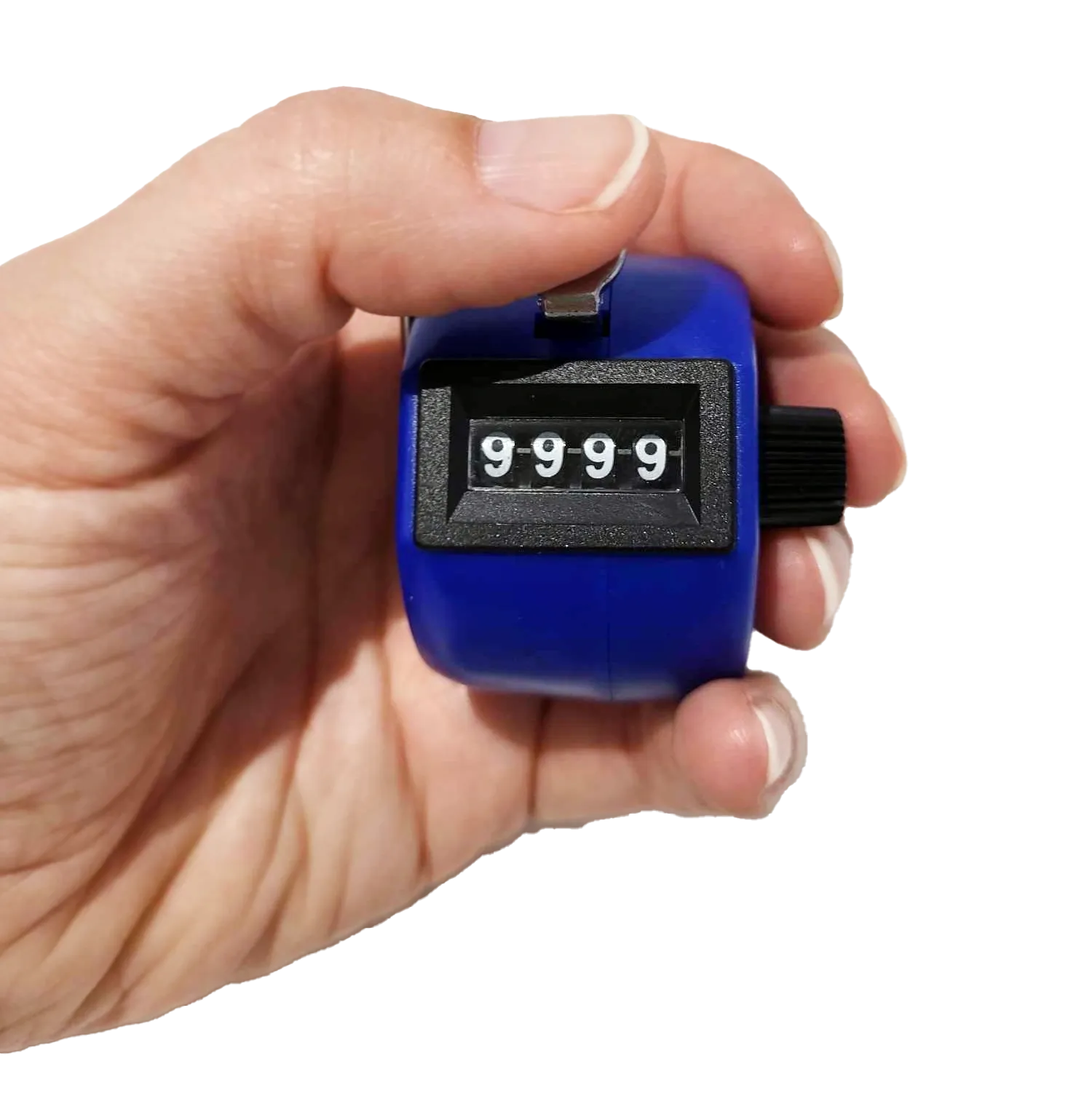
In manual counting, staff members count the visitors during set time intervals. Though very inexpensive, manual counting is extremely inaccurate. Human error, irregular data collection, and inadequate coverage make manual counting ineffective for the modern retail business environment. Manual counting is only useful for superficial data analysis since it can’t be done on a large basis.
Beam Sensors
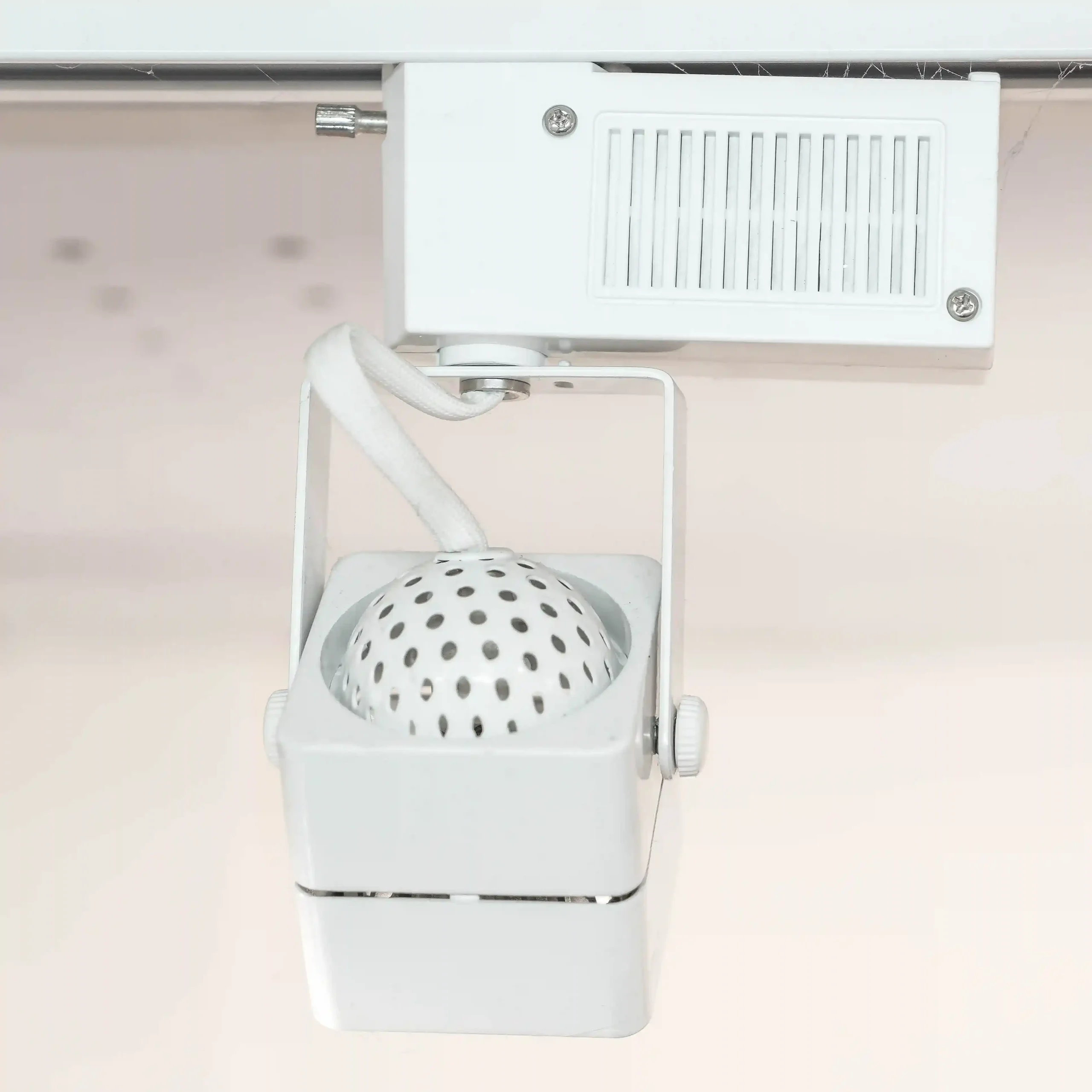
Beam sensors employ infrared technology to record person entries through a doorway. Beam sensors are more automated compared to other entry methods and inefficient when accuracy is required in environments with high entries. Overlapped entries and bidirectional entries commonly result in entry inaccuracies when beam sensors are used. Beam sensors supply entry statistics without behavioral information.
Thermal Imaging Systems
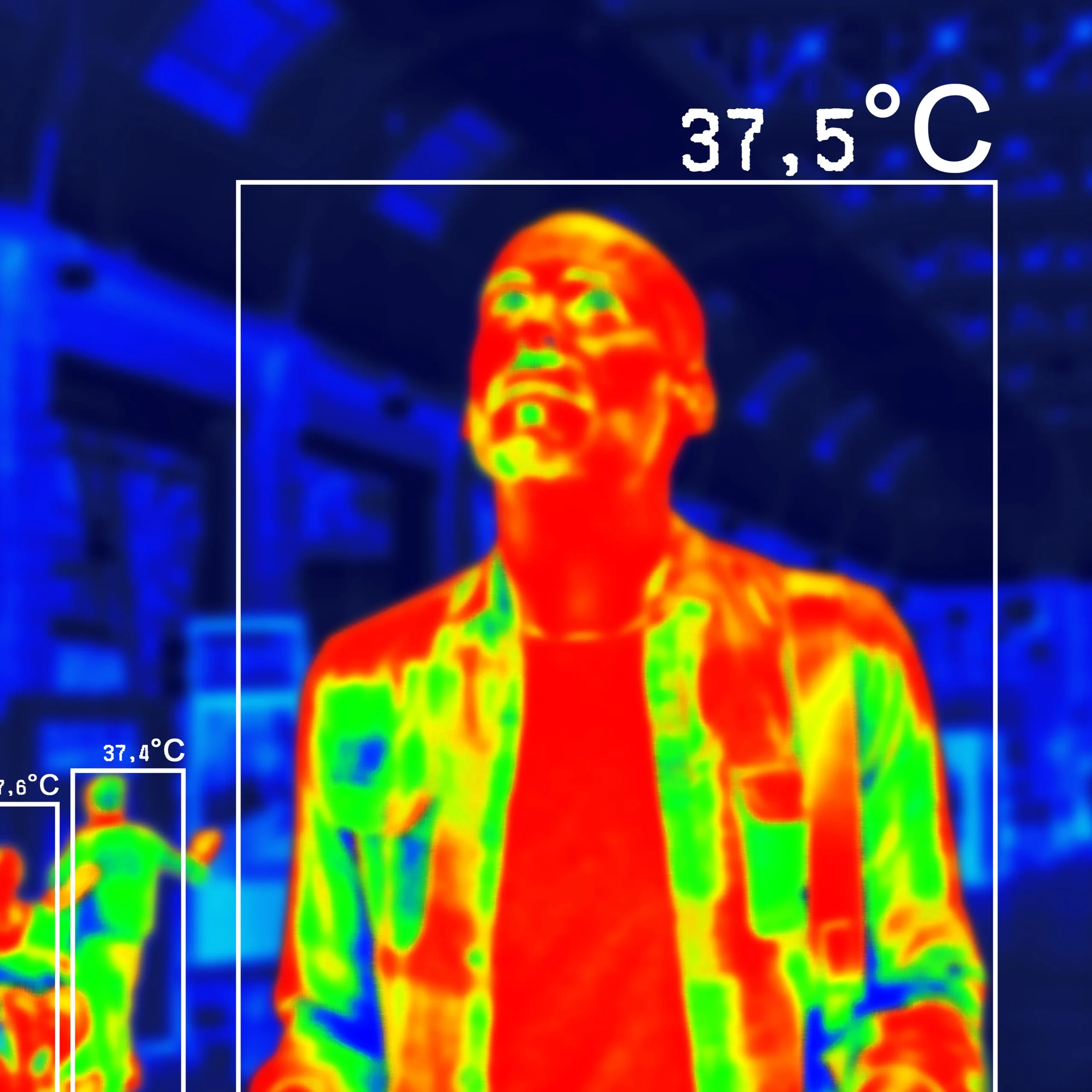
The thermal imaging cameras measure body heat to estimate visitor numbers anonymously. These cameras work effectively in terms of accuracy of results in relation to privacy compliance, but the technology provides very limited data for analysis of visitor interaction, paths, or conversion rates.
Security Cameras
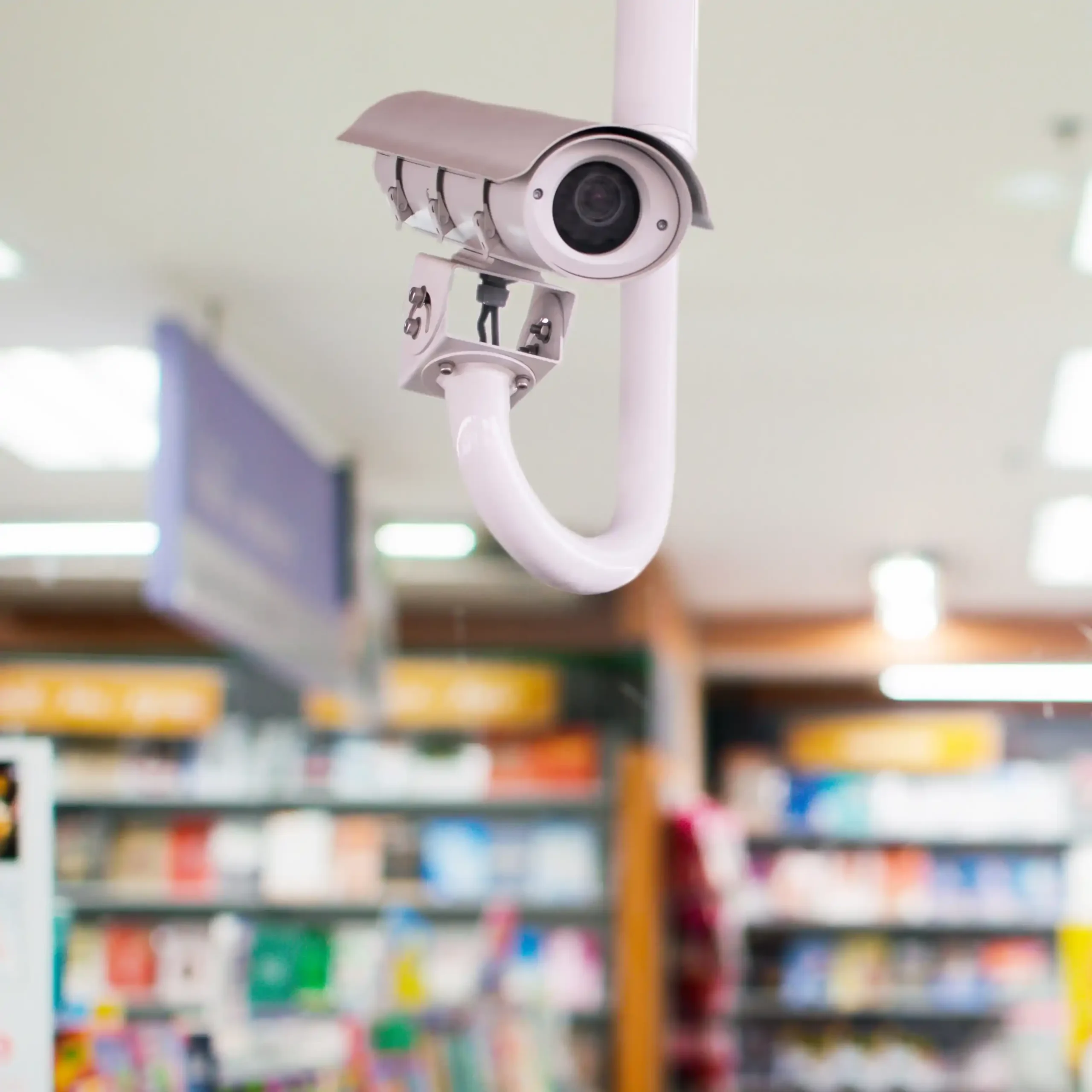
A standard security camera can easily be found in most stores, but optimization for analysis purposes happens rarely. Analyses without intelligent systems require processing manually, an inefficient and reactive approach. With advanced analysis capabilities, security cameras become a valuable source of data.

AI-Powered Audience Measurement Like Calton Datx
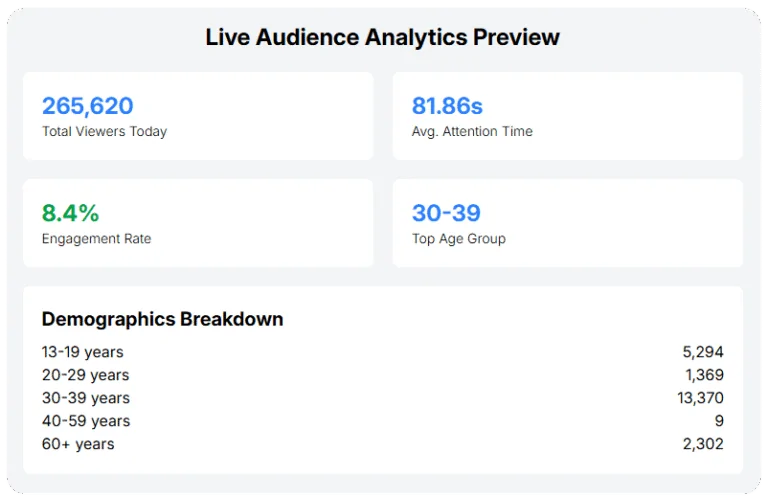
It’s here that Calton Datx differs from the rest. Our technology uses AI solutions for audience measurement by processing video data, as well as sensor data, to deliver real-time results in the form of actionable insight. We measure visitors on the basis of entries, exits, dwell time, repeaters, and paths—not compromising privacy in the process. What sets us apart from the rest is the data of not only the visitor traffic in stores but also how visitors engaged with the store, the point of maximum interest, and factors influencing conversion.
Location Intelligence Platforms
Location intelligence solutions integrate foot traffic analysis and geographically and demographically informed analyses. The Calton DatX service integrates location intelligence in order to enable retailers to see how their stores are affected by outside influences in terms of events and activity in a neighborhood and nearby establishments and so on.
Wrapping Up
Foot traffic data provides a key to unlock what is hiding in plain sight for retailers. Foot traffic data shows the path of customers, the locations of which they pause, as well as the length of their stay at those locations. By marrying the data about customer movement patterns with sales, the converting patterns emerge on why particular designs, offerings, or time periods outperform others.
Such accessibility makes pedestrian traffic measurement a core building block for decision-making. Rather than conjecture or uncertainty, these measurements bring clarity to a normally mundane activity.
Start Measuring Store Traffic and Convert it to Long-Term Sales!
Calton Datx enables the alignment of pedestrian movement data with actual business results for the retail industry. The company’s solutions transform movement data into insights used for improving the design of facilities, employee and marketing effectiveness, and conversion rates.
What Calton Datx Offers:
-
- AI-powered foot traffic analytics
- Customer journey and dwell-time analysis
- Conversion-focused behavioral insights
- Location intelligence for expansion planning
- Privacy-first, scalable solutions
Our Unique Advantage: Calton Datx connects physical customer behavior directly to sales performance—helping retailers turn traffic into measurable, sustainable growth.
Book a demo with Calton Datx today.
Don’t leave your store’s success to chance.
See how we can help transform your retail operations.

The idea of measuring hesitation or backtracking in-store is such a valuable insight. It shows how retailers can address friction points that might otherwise go unnoticed. Better decision-making for improved conversions really depends on this level of detail.
The concept of tracking in-store hesitation and backtracking is incredibly insightful. It highlights how retailers can identify and resolve pain points that might easily be overlooked. Achieving stronger conversions truly hinges on this kind of granular understanding of shopper behavior.
Great insights on how store traffic data can shift decision-making from guesswork to clarity. I especially appreciate the emphasis on using footfall analytics not just to count customers, but to understand their behavior—like where they hesitate or avoid certain sections. That kind of detail really helps in designing better in-store experiences and ultimately driving sales.